 By
By Bingo is one of the most iconic games of chance, known for its simple rules, social interaction, and exciting opportunities to win. From community halls to online platforms, Bingo has captured the interest of millions of players worldwide. Its evolution from a traditional lottery-style game to modern online formats reflects its adaptability and continued popularity. This article explores the history, rules, types, strategies, technological innovations, and responsible gaming practices in Bingo.
The Origins of Bingo
Bingo traces its roots back to 16th-century Italy, where a lottery game called “Lo Giuoco del Lotto d’Italia” was played. The game spread to France in the 18th century as “Le Lotto,” becoming a popular pastime among the elite. By the 19th century, the game reached Germany and eventually other European countries.
Bingo was introduced in the United States during the early 20th century primarily as a fundraising activity for churches and charities. Originally called “Beano,” players would use beans to mark numbers on their cards. The name “Bingo” emerged when Edwin S. Lowe, a game enthusiast, observed that players excitedly shouted “Bingo!” when winning. Since then, Bingo has grown into a recreational and competitive game played in various formats across the globe.
How to Play Bingo
At its core, Bingo is a game of chance where players aim to complete specific number patterns on their cards. The game combines luck, excitement, and sometimes strategy, especially in online and tournament settings.
Basic Rules
- Each player receives a Bingo card containing a grid of numbers.
- A caller draws numbers randomly and announces them to players.
- Players mark the corresponding numbers on their cards.
- The first player to complete the required pattern shouts “Bingo!” to claim a win.
- Wins are verified, and prizes are distributed according to the game rules.
Patterns vary depending on the game type and can include horizontal, vertical, diagonal lines, corners, or full-card completions.
Popular Types of Bingo
75-Ball Bingo
75-ball Bingo is the most popular variant in the United States. It features a 5×5 grid with numbers ranging from 1 to 75. The central square is a free space that helps players complete patterns. Winning combinations include straight lines, diagonal lines, letters like X or T, and full-card covers known as “blackouts.”
90-Ball Bingo
Predominant in the United Kingdom, 90-ball Bingo uses a 9×3 grid with numbers from 1 to 90. Players aim to complete a line (first, second, or third) or the full house (all numbers on the card). This format is slightly more strategic due to the larger range of numbers and longer gameplay.
30-Ball Bingo
Also called speed Bingo, 30-ball Bingo uses a 3×3 grid. This variant is fast-paced, with games often completed within minutes. It is ideal for online platforms where players prefer shorter, more dynamic gaming sessions.
Online and Themed Bingo
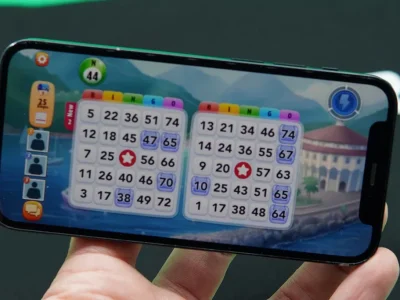
The rise of digital platforms has introduced numerous Bingo variations, including themed rooms, progressive jackpots, and interactive experiences. Online Bingo may incorporate graphics, animations, live chat, and community features that enhance player engagement. Some platforms even offer virtual Bingo halls that simulate the social atmosphere of traditional venues.
Strategies to Enhance Your Chances
While Bingo is primarily a game of chance, certain strategies can improve your experience and increase your potential for success.
Choosing the Right Cards
Selecting cards with a broad spread of numbers reduces overlap and increases the likelihood of winning. Players often manage multiple cards simultaneously to improve odds, but this requires careful attention to avoid missing called numbers.
Bankroll Management
Responsible money management is essential. Players should set limits on how much they are willing to spend per session. Proper bankroll management ensures that playing Bingo remains a fun activity rather than a financial burden.
Timing Your Play
Playing during off-peak hours, especially in online Bingo, can reduce competition and improve winning chances. Less crowded sessions often mean fewer players competing for the same prizes.
Leveraging Bonuses and Promotions
Online Bingo platforms frequently offer bonuses, loyalty points, and promotional games. Utilizing these rewards can extend gameplay and provide additional chances to win without increasing personal expenditure.
The Social Aspect of Bingo
One of Bingo’s defining features is its social interaction. Traditional Bingo halls foster community engagement, bringing together players from diverse backgrounds. Online platforms have replicated this experience through chat rooms, virtual tournaments, and social events, preserving the communal spirit of Bingo while offering global access.
Technology’s Role in Modern Bingo
The digital era has transformed Bingo in several ways:
- Mobile Access: Players can participate in games anywhere via smartphone apps.
- Live Dealer Games: Real-time streaming replicates in-person Bingo sessions.
- Interactive Features: Platforms include chat rooms, animated visuals, and leaderboard systems.
- Random Number Generators (RNGs): Ensure fair and unbiased draws in digital formats.
Responsible Bingo Practices
Bingo should be enjoyed responsibly to prevent addiction and financial strain. Players can maintain balance by:
- Setting Limits: Establish time and spending restrictions before playing.
- Avoiding Chasing Losses: Accepting losses as part of the game helps prevent impulsive decisions.
- Taking Breaks: Regular intervals between sessions maintain perspective and reduce fatigue.
- Seeking Support: Counseling services and support groups are available for players exhibiting problem gambling behaviors.
- Using Self-Exclusion Tools: Many online platforms allow temporary or permanent restrictions to limit access.
Economic Impact of Bingo
Bingo contributes significantly to local economies through employment, taxation, and tourism. Traditional Bingo halls provide jobs and generate revenue for communities, while online platforms offer subscriptions, in-game purchases, and advertising income. Additionally, charitable Bingo events continue to fund schools, hospitals, and social programs, highlighting its positive social and economic impact.
Emerging Trends in Bingo
The future of Bingo reflects ongoing technological innovation and evolving player preferences:
- Virtual Reality (VR) Bingo: Immersive 3D environments that simulate physical halls.
- Gamification: Interactive challenges, achievements, and mini-games enhance engagement.
- Cross-Platform Play: Seamless gameplay across smartphones, tablets, and desktops.
- Global Online Tournaments: Competitive events connect players worldwide, offering substantial jackpots and prize pools.
- Artificial Intelligence Integration: AI enhances personalization, recommends games, and optimizes user experiences.
Conclusion
Bingo is more than a simple game of chance; it is a cultural phenomenon that combines entertainment, social connection, and the excitement of winning. From its historical roots in Europe to contemporary online platforms, Bingo has adapted to changing times while retaining its core appeal. Understanding its rules, exploring different variants, employing strategic approaches, and practicing responsible gaming ensures an enjoyable and safe experience for all players.
FAQ Section
1. What is the history of Bingo?
Bingo originated in 16th-century Italy as a lottery game called “Lo Giuoco del Lotto d’Italia” and later spread to France and other parts of Europe before becoming popular in the United States in the 20th century.
2. How do 75-ball and 90-ball Bingo differ?
75-ball Bingo uses a 5×5 grid common in the U.S., while 90-ball Bingo uses a 9×3 grid, popular in the U.K. and Australia. The formats differ in grid size, number range, and patterns required for winning.
3. Can I play Bingo online?
Yes, online Bingo platforms offer a variety of games, including live dealer sessions, speed Bingo, themed rooms, and interactive community experiences.
4. What strategies can improve my Bingo odds?
Strategies include choosing cards with varied numbers, managing multiple cards carefully, timing gameplay during less busy sessions, and utilizing online bonuses or promotions.
5. What is speed Bingo?
Speed Bingo, or 30-ball Bingo, is a faster-paced version with a 3×3 grid, providing short, dynamic sessions ideal for online play.
6. Is Bingo suitable for all ages?
Bingo is primarily designed for adults, especially in real-money and online contexts, though family or educational versions exist for younger audiences. Age restrictions should always be observed on platforms.
7. How can I play Bingo responsibly?
Responsible play involves setting time and budget limits, taking breaks, avoiding chasing losses, and using self-exclusion tools when necessary. Seeking support for problem gambling is also recommended.
Bingo continues to thrive globally due to its blend of luck, strategy, and social engagement. With modern technological enhancements and a focus on responsible gaming, it remains an accessible and entertaining experience for players of all levels.