 By
By Bingo has been a beloved game of chance for decades, attracting players across generations and cultures. From community halls and casinos to online platforms and mobile apps, Bingo has evolved into a global phenomenon that combines entertainment, social interaction, and the thrill of winning. This article explores the history, rules, strategies, variations, and modern trends surrounding Bingo, providing a detailed guide for both newcomers and experienced players.
The History of Bingo
Bingo’s origins can be traced back to 16th-century Italy, where it began as a lottery-style game called “Lo Giuoco del Lotto d’Italia.” The game spread to France in the 18th century, known as “Le Lotto,” and eventually reached Germany and other parts of Europe. In the early 20th century, Bingo was introduced to North America as a fundraising tool for churches and charitable organizations.
The name “Bingo” itself became popular in the United States during the 1920s when game operator Edwin S. Lowe noticed players shouting “Bingo!” instead of “Beano,” which was the original term used in the game. Since then, Bingo has grown into a staple of both recreational and professional gaming.
How Bingo is Played
Bingo is a game of chance where players match numbers on their cards with numbers drawn randomly by a caller. The objective is to complete a specific pattern, which could range from a straight line to more complex shapes depending on the variant of the game.
Basic Rules of Bingo
- Each player receives a Bingo card with a grid of numbers.
- A caller randomly draws numbers and announces them to the players.
- Players mark the numbers on their cards as they are called.
- The first player to complete the required pattern shouts “Bingo!” to signal a win.
- The win is verified, and prizes are awarded according to the rules of the game.
Types of Bingo
Bingo has evolved into several variants, each with its unique rules and gameplay style.
75-Ball Bingo
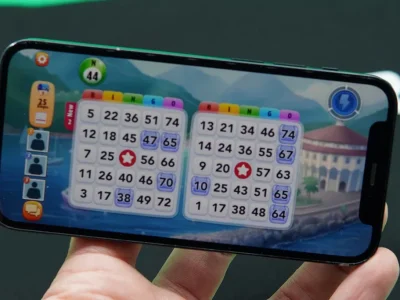
Predominantly played in the United States, 75-ball Bingo features a 5×5 grid with numbers ranging from 1 to 75. The center space is usually a free space, allowing players to complete patterns more easily. Common winning patterns include horizontal, vertical, diagonal lines, and full-card “coveralls.”
90-Ball Bingo
Popular in the United Kingdom and Australia, 90-ball Bingo uses a 9×3 card with numbers ranging from 1 to 90. Players aim to complete a line (top, middle, or bottom) or the full house, making this variant slightly more strategic due to the card’s layout.
30-Ball Bingo
Also known as “speed Bingo,” 30-ball Bingo is a faster-paced variant often played online. With only a 3×3 grid, players can complete patterns quickly, resulting in shorter and more dynamic gaming sessions.
Online Bingo Variants
The digital transformation has introduced multiple online Bingo variants, including themed rooms, progressive jackpots, and interactive live-streamed games. These platforms often integrate social features, allowing players to chat and engage with others during gameplay.
Bingo Strategies and Tips
Although Bingo is largely a game of chance, several strategies can improve your odds and enhance your experience.
Card Selection
Choosing cards with varied number distributions can reduce the risk of overlapping numbers across multiple cards. Playing multiple cards simultaneously increases winning potential but requires careful attention to avoid missing numbers.
Managing Your Bankroll
Setting a budget for Bingo sessions is crucial to avoid overspending. Decide in advance how much you are willing to spend and stick to that limit, ensuring the game remains fun rather than stressful.
Timing Your Play
Some online and offline Bingo platforms offer games at peak and off-peak hours. Playing during less crowded sessions may reduce competition, increasing your chances of winning.
Utilizing Bonuses and Promotions
Online Bingo platforms often provide bonuses, loyalty points, and promotions. These can be leveraged to extend gameplay, increase card count, or participate in special jackpot games without additional investment.
The Social Aspect of Bingo
One of Bingo’s most appealing features is its social dimension. Traditional Bingo halls foster community interaction, bringing together people of all ages in a shared experience. Online platforms also emphasize social features, including chat rooms, virtual events, and multiplayer tournaments, which maintain the communal spirit of Bingo in a digital format.
Technological Advancements in Bingo
Technology has significantly transformed Bingo, making it more accessible and engaging. Key innovations include:
- Mobile Apps: Players can participate in games from anywhere, anytime.
- Live Dealer Games: Real-time video streaming of Bingo sessions simulates the in-person experience.
- Interactive Features: Chat functions, leaderboards, and animated visuals enhance the gaming experience.
- Random Number Generators (RNGs): Ensure fair and unbiased number draws in digital games.
Responsible Bingo Practices
While Bingo is entertaining, responsible gaming is essential to prevent addiction and financial strain. Tips for responsible play include:
- Set Time Limits: Avoid extended sessions to maintain balance in daily life.
- Play Within Your Budget: Use only disposable income for gameplay.
- Recognize Warning Signs: Acknowledge early signs of compulsive behavior and seek support if necessary.
- Utilize Self-Exclusion Tools: Many online platforms provide options to temporarily or permanently block access to games.
Economic Impact of Bingo
Bingo contributes to the economy through employment, tourism, and charitable fundraising. Traditional Bingo halls often serve as significant revenue sources for local communities, while online Bingo platforms generate income through subscriptions, advertisements, and in-game purchases. Additionally, many organizations use Bingo as a fundraising tool, supporting schools, charities, and social programs.
Future Trends in Bingo
The future of Bingo is expected to feature further integration of technology and personalized experiences. Anticipated trends include:
- Virtual Reality (VR) Bingo: Immersive VR environments simulating physical Bingo halls.
- Gamification: Interactive features and challenges to enhance player engagement.
- Cross-Platform Play: Seamless gameplay across mobile, desktop, and console devices.
- Global Tournaments: Competitive online events connecting players worldwide with significant jackpots.
Conclusion
Bingo has transcended its humble beginnings to become a globally recognized game of chance, strategy, and social interaction. From traditional halls to online platforms, the game continues to evolve, offering new ways to engage, compete, and socialize. By understanding the rules, exploring different variants, applying strategies, and practicing responsible gaming, players can enjoy a fulfilling and safe Bingo experience.
FAQ Section
1. What is the origin of Bingo?
Bingo originated in 16th-century Italy as a lottery game called “Lo Giuoco del Lotto d’Italia” and later spread to France and other European countries before gaining popularity in the United States.
2. How does 75-ball Bingo differ from 90-ball Bingo?
75-ball Bingo uses a 5×5 grid and is popular in the U.S., while 90-ball Bingo uses a 9×3 grid and is common in the U.K. and Australia. The winning patterns and pace of play differ accordingly.
3. Can Bingo be played online?
Yes, online Bingo platforms offer a variety of games, including live dealer sessions, themed rooms, and speed Bingo variants, accessible via web browsers and mobile apps.
4. Are there strategies to improve my chances of winning at Bingo?
While Bingo is mostly chance-based, strategies like choosing varied cards, managing your bankroll, playing during off-peak hours, and utilizing promotions can enhance your experience and odds.
5. What is speed Bingo?
Speed Bingo, or 30-ball Bingo, is a faster-paced version with a 3×3 grid, allowing for shorter and more dynamic gaming sessions.
6. Is Bingo suitable for all age groups?
Traditional and online Bingo is generally suitable for adults, though some educational or family-oriented versions exist for younger players. Always check age restrictions for online platforms.
7. How can I play Bingo responsibly?
Responsible play includes setting budgets and time limits, recognizing compulsive behavior, using self-exclusion tools, and ensuring that gameplay remains entertaining rather than financially or emotionally stressful.
Bingo remains a dynamic and engaging game that continues to attract players globally, blending tradition, strategy, and modern innovation. It provides entertainment, social interaction, and opportunities for winnings while highlighting the importance of responsible gaming.