
 By
By Casinos are not merely entertainment venues filled with flashing lights and card tables. They are meticulously crafted psychological environments, engineered to keep players engaged, excited, and immersed for long periods. Every detail, from lighting and layout to sounds and scents, plays a subtle yet powerful role in influencing player behavior. Understanding the psychology behind casino design unveils a fascinating intersection of architecture, behavioral science, and marketing that drives the modern gambling experience.
The Hidden Science of Casino Architecture
When you walk into a casino, what you see isn’t random—it’s a calculated blend of environmental design and psychological manipulation. Casino architects and behavioral psychologists work together to create spaces that maximize comfort, minimize time awareness, and encourage longer play sessions. This approach, known as “environmental psychology”, forms the foundation of casino design.
Traditional casinos once followed the “maze layout,” a design pioneered by industry experts in the mid-20th century. The goal was to disorient players slightly, keeping them wandering past more slot machines and tables, all while subtly discouraging them from leaving. However, modern casino design has evolved. Today’s trend leans toward “open-plan layouts” with luxurious spaces, high ceilings, and visually appealing aesthetics that make players feel relaxed rather than trapped. Despite these shifts in style, the psychological principles remain deeply ingrained.
The Role of Lighting and Color Psychology
Lighting plays one of the most critical roles in shaping player mood and perception. Casinos strategically use warm, ambient lighting to create a sense of comfort and intimacy. Unlike the harsh fluorescent lighting of many public spaces, casino lighting is designed to make players feel calm and focused.
Key Elements of Casino Lighting Strategy
- Soft Golden Glow: Promotes relaxation and comfort, making players feel at ease.
- Bright Table Lighting: Focuses attention on games like blackjack or poker, emphasizing the action.
- Dim Corners: Create intrigue and subtly guide players toward brighter, more active areas.
- No Natural Light: Most casinos avoid windows or clocks to suppress time awareness, allowing players to lose track of hours.
Color psychology is equally vital. Warm colors like red and gold evoke excitement and luxury, while deep blues and purples suggest sophistication. Every color is chosen to trigger a specific emotional response, contributing to an immersive and stimulating environment.
The Soundscape of Gambling Environments
Sound is a powerful manipulator of human behavior, and casinos leverage this through carefully curated sound design. The chime of slot machines, the shuffle of cards, and the hum of conversation all combine to create an atmosphere of excitement and anticipation.
How Sound Influences Player Psychology
- Winning Sounds: Slot machines use high-pitched celebratory tones to create a dopamine response, even when players win small amounts.
- Ambient Noise: A constant low-level buzz simulates social proof, suggesting that others are winning and having fun.
- Music Tempo: Upbeat music encourages faster betting and higher energy levels, while slower melodies promote calm, extended play.
Casinos design sound environments not just to entertain but to stimulate reward centers in the brain, reinforcing the thrill of gambling and sustaining engagement.
The Maze of Movement: Layout and Flow
Casino layouts are intentionally designed to control player movement. Unlike retail spaces where exits are clearly visible, casinos subtly conceal exits and direct traffic flow toward key gaming areas. The placement of slot machines, bars, and table games is no coincidence—it’s engineered to maximize exposure to different types of entertainment.
Psychological Triggers in Casino Layouts
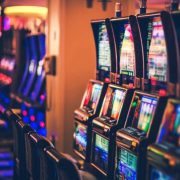
- Peripheral Vision Stimulation: Bright, moving slot machines are placed along walkways to attract attention.
- Strategic Entrances: Guests often enter through luxurious lobbies or bars to establish a sense of exclusivity before encountering the gaming floor.
- Centralized Cash-out Counters: Cashing out usually requires a walk past additional gaming zones, tempting players to make one more bet.
The absence of clocks and windows eliminates natural time cues, allowing players to remain fully absorbed in the casino’s timeless environment.
The Power of Scent Marketing
While often overlooked, scent is one of the most effective psychological tools in casino design. Many establishments use ambient scenting systems to disperse pleasant fragrances throughout gaming floors. Research shows that specific scents can elevate mood, reduce stress, and even increase spending behavior.
For instance, studies have found that slot players exposed to a light floral scent spent significantly more money and stayed longer than those in unscented areas. Fragrances like vanilla, citrus, or sandalwood evoke comfort and relaxation, encouraging prolonged engagement. The use of scent marketing in casinos exemplifies how subtle sensory cues can influence human behavior without conscious awareness.
Slot Machine Design and Player Psychology
Slot machines are the heart of most casinos, and their design is a masterclass in behavioral psychology. Each element—from button placement to visual animation—is designed to create a state of “flow,” where players become fully immersed and lose sense of time and money.
Core Psychological Elements in Slot Design
- Variable Reward Schedules: Players never know when the next win will come, creating anticipation that keeps them spinning.
- Near-Misses: Almost-winning results stimulate the brain’s reward center, motivating players to continue.
- Sensory Stimulation: Flashing lights, sound effects, and tactile feedback trigger dopamine release.
- Small Wins: Frequent but modest payouts maintain engagement by making players feel successful, even when losing overall.
This combination of unpredictability, reward, and sensory engagement forms the backbone of the slot machine’s addictive appeal.
Behavioral Cues in Table Game Environments
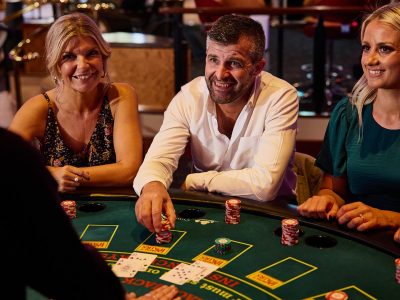
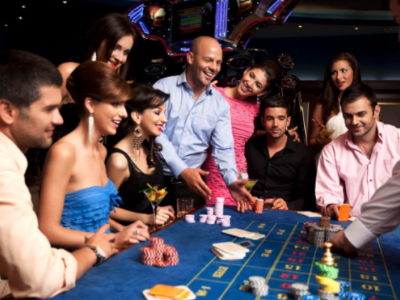
Table games like blackjack, roulette, and baccarat depend more on social dynamics than slot machines. Casino designers enhance this through social psychology—the study of how people behave in groups. Table areas are typically located in high-traffic zones, where excitement and cheering can draw new participants.
Social Dynamics at Work
- Dealer Interaction: Friendly, charismatic dealers build rapport and create comfort for hesitant players.
- Crowd Energy: The presence of spectators and other players fosters competition and excitement.
- Table Design: Circular or semi-circular layouts create a communal feel that encourages group participation.
By fostering a sense of belonging and shared excitement, casinos transform gambling into a social experience that reinforces emotional connection and engagement.
Comfort, Amenities, and Player Retention
Casinos are designed to keep players physically comfortable to encourage long stays. Everything from the temperature to the seating arrangement is optimized for comfort without promoting rest. Chairs are cushioned enough to prevent fatigue but not too cozy to induce sleep.
Amenities such as free drinks, live entertainment, and gourmet dining add to the allure. These perks create the illusion of generosity, reinforcing the idea that the casino values its guests, while in reality, such incentives encourage longer play sessions and higher overall spending.
The Psychological Impact of Reward Systems
Loyalty programs are another form of psychological manipulation built into casino design. By offering players tiered rewards, free spins, or complimentary services, casinos tap into the human desire for recognition and achievement.
Key Motivational Mechanisms
- Variable Rewards: Unpredictable bonuses create excitement and anticipation.
- Status and Prestige: Tiered membership systems exploit the need for social validation.
- Loss Aversion: Players continue gambling to maintain their status or avoid losing rewards.
These programs are meticulously structured to keep players returning, mirroring the same principles that make social media and mobile games addictive.
Lighting and Acoustics in Modern Online Casinos
Interestingly, many of these psychological principles have transitioned into online casinos, where digital environments replicate real-world triggers. Designers use sound cues, animation, and digital lighting effects to simulate casino-like excitement. Even digital lobby designs mimic physical casino layouts to create familiarity and trust. The goal remains the same: to keep users immersed in a stimulating and emotionally rewarding environment.
The Ethical Debate Around Casino Design
While the psychology behind casino design is undeniably effective, it raises ethical questions. Critics argue that these tactics exploit cognitive biases and reward pathways, pushing vulnerable individuals toward addiction. In response, responsible gaming initiatives are emerging, emphasizing transparency, time tracking, and self-exclusion tools.
Balancing commercial success with player well-being remains one of the most pressing challenges in modern casino design. Ethical innovation aims to maintain entertainment value without fostering harmful dependency, proving that psychological design can be powerful without being manipulative.
FAQs
Q1: Why do casinos avoid using clocks and windows?
Casinos eliminate clocks and windows to remove time cues, allowing players to remain focused and unaware of how long they’ve been gambling.
Q2: How does casino lighting affect player behavior?
Warm and ambient lighting creates comfort, while bright lighting at tables enhances focus. Controlled lighting helps maintain energy levels and extends play duration.
Q3: Why are slot machines placed near entrances?
Slot machines attract attention with lights and sounds, creating instant engagement for newcomers. Their visibility encourages impulse play as soon as players walk in.
Q4: Are casino scents intentionally added?
Yes. Casinos use fragrance systems to create pleasant atmospheres that subconsciously encourage relaxation and longer play.
Q5: Can the same psychological principles be found in online casinos?
Absolutely. Online platforms use similar design tactics such as engaging sounds, colors, and reward mechanics to stimulate player engagement digitally.